From the Professional Notebook
Page Three
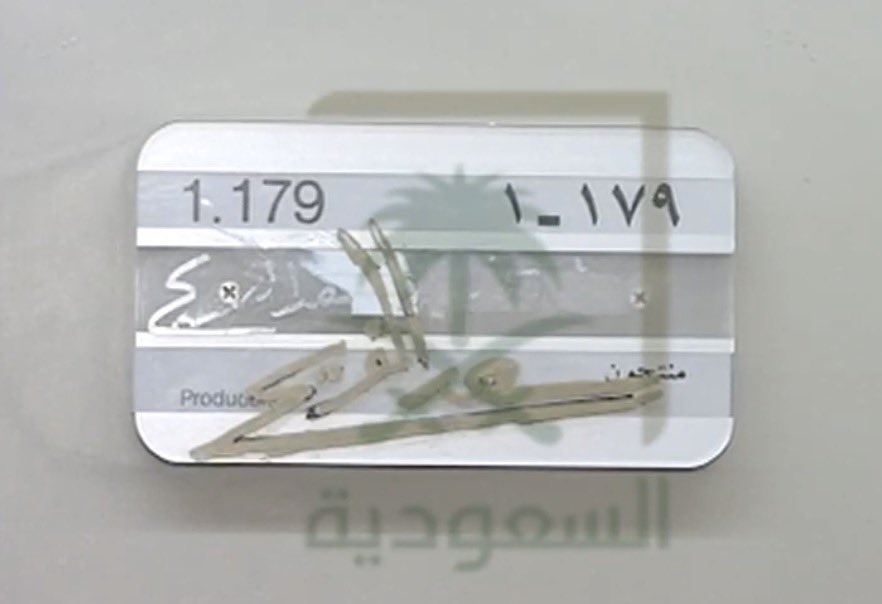
Office 179-1
Years before I stood in front of a camera… I stood before a door bearing a number I have never forgotten: 179-1.
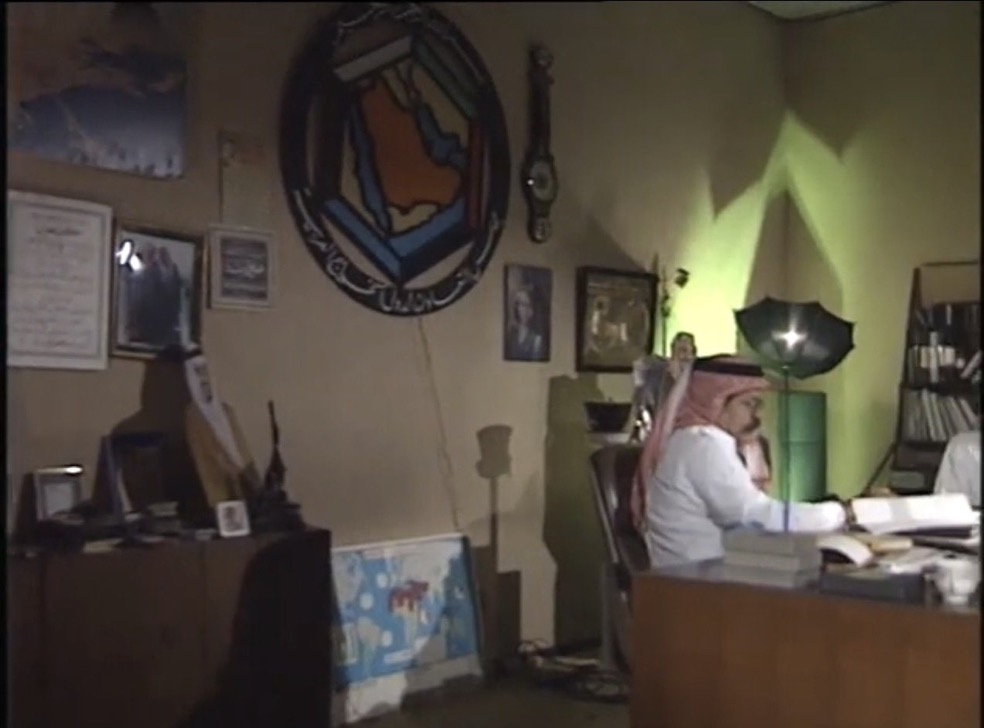
In 2003, I was a student at the Institute of Public Administration, and in the evenings I would visit the Saudi Television building to help my father, the director Saad Al-Furaih. His office was large, more like a small home inside the building: an editing room, a bed for rest, a small refrigerator, a wardrobe, and everything he needed to keep working for hours—even days—without leaving. Its corners were bathed in dim, warm light, and climbing plants trailed along its walls. When he was not reviewing footage on the editing screen, he would sit and write to the sound of gentle romantic music in which the piano rose above all else, until the place seemed more like a room where imagination hid away… than an office inside the television building.
He would arrange an entry permit for me, so I would pass through the gate and head straight to his office on the first floor.
One night, I sat beside him in the editing room. The boxes stacked around us were filled with Betacam tapes. He would watch one tape after another, then note the timecode and contents of every shot on a paper form, so that he would later know where to find the scene he was looking for.
At the time, I did not realise that I was doing more than simply helping my father… I was receiving my first practical lesson in documentary filmmaking.
After that, I began accompanying him to the television archive library to borrow tapes. We would bring them back to the office, and I would sit beside him, writing down his notes, before later beginning to use a computer to type and organise his ideas.
But what stirred my curiosity most was the small corner that held dozens of cassette tapes. He would play a piece of music, then close his eyes for a long time. He was not merely listening to the music… he was watching an entire film that no one else could see, then beginning the search for the image worthy of that melody.
There… I understood for the first time that a film is not made with a camera alone; it is first born in the director’s imagination.
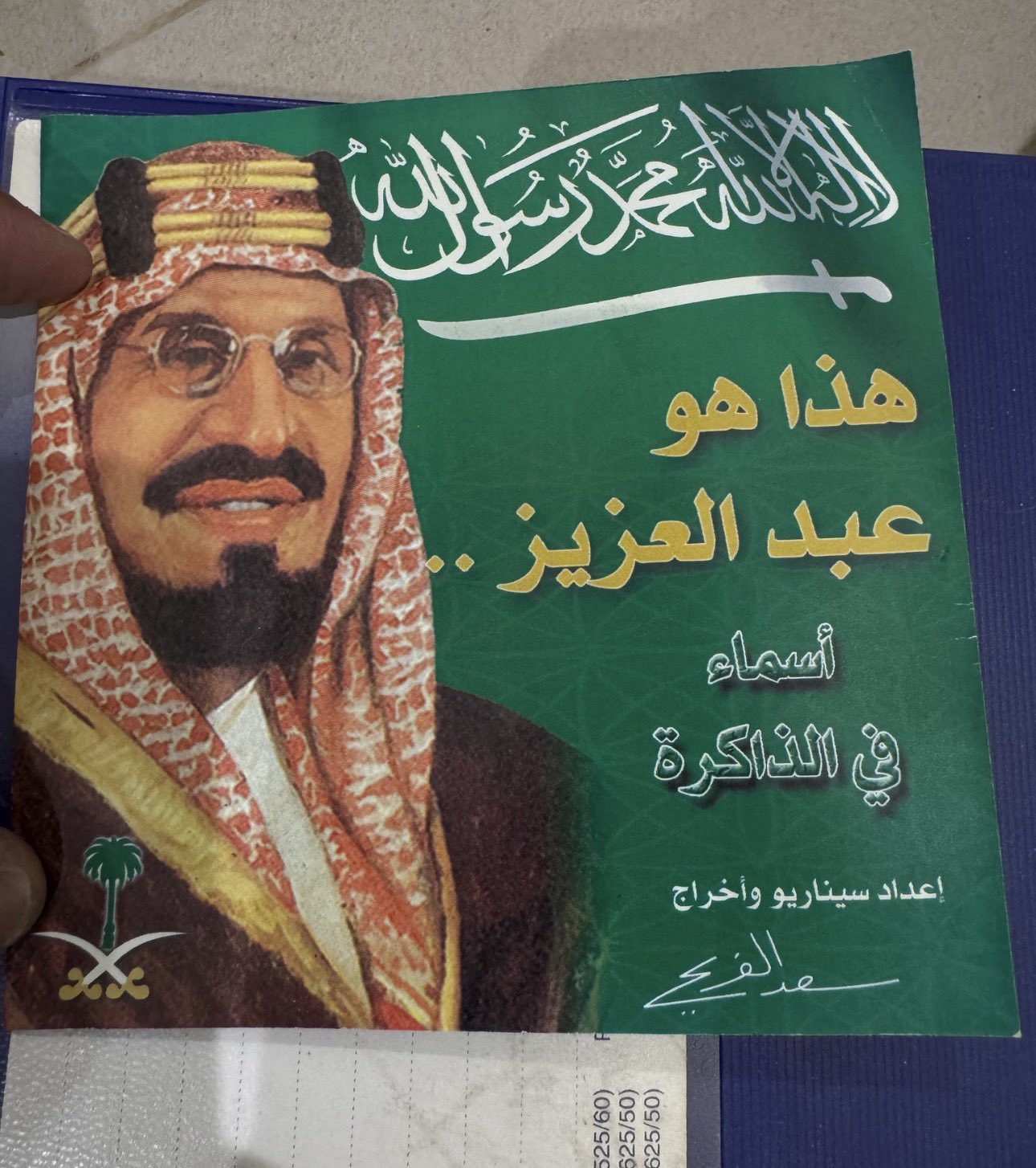
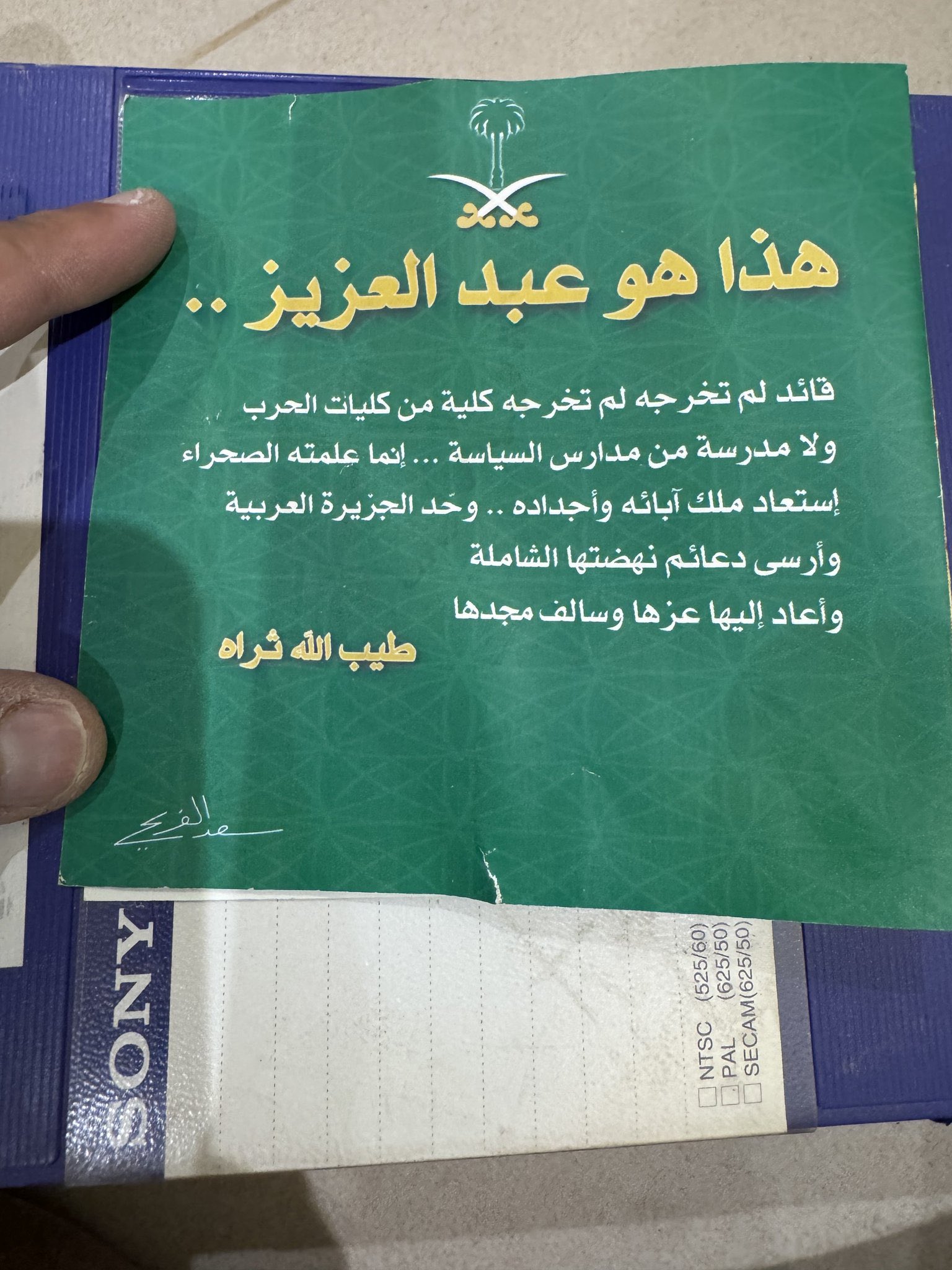
During that period, he was working on the documentary Names in Memory – This Is Abdulaziz, which took nearly a full year to complete. He would often recite these lines by the poet Muhammad ibn Uthaymeen:
“You pleased your noble, illustrious forefathers by renewing their glory after they had gone.”
Today, I realise that my beginning was not when I stood in front of the camera in 2006.
It had begun years earlier…
In that office..
Among Betacam tapes, notebooks, and the music that came before the image.
Perhaps that was why I later stood at Dr Suleiman Al-Eidi’s door asking to work behind the camera… one sentence was waiting for me, and it changed my course:
“I see you in front of the camera.”